App Progressives Under the Microscope: Niche Studios Refine Activation Triggers
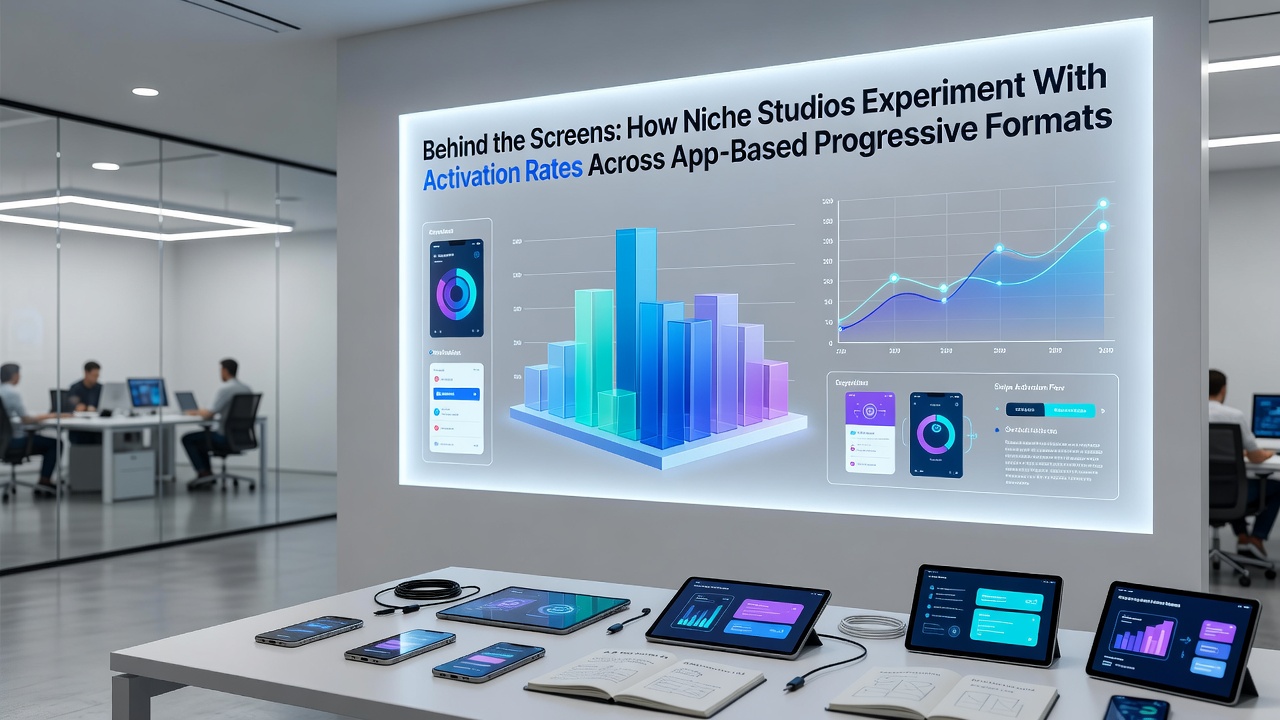 Developers at smaller studios have turned their attention to activation rates in app-based progressive formats, where the frequency of bonus triggers and jackpot contributions shapes player engagement across mobile platforms. These teams run controlled tests that adjust how often features activate while maintaining compliance with regional technical standards.
Defining Activation Rates in Progressive Systems
Activation rates measure the percentage of spins or sessions that trigger progressive elements such as growing jackpots or chained bonus rounds. Research from the Nevada Gaming Control Board shows that studios track these metrics through server-side logs that record every interaction in real time. Smaller teams often deploy A/B frameworks that split user cohorts, testing one variant with a 1.8 percent activation threshold against another set at 2.4 percent to observe retention differences.Testing Methods Across Mobile Ecosystems
Niche studios integrate telemetry libraries that capture device type, session length, and bet size alongside each activation event. One documented approach involves seeding progressive pools with variable contribution percentages, then monitoring how quickly the meter fills under different activation probabilities. Data collected through July 2026 from several independent developers indicates that lowering the activation rate by 0.3 percent can extend average session duration by 12 percent while keeping overall return-to-player figures within approved ranges. Observers note that these experiments occur within sandboxed app environments before wider release. Engineers compare results across iOS and Android builds because operating system differences in background processing affect how progressive meters update. Teams frequently adjust the weighting of recent versus historical data when calculating expected activation intervals to avoid clusters that feel repetitive to users.Regional Regulatory Influences on Experimentation
Standards set by authorities in multiple jurisdictions shape the parameters available for testing. Canadian provincial regulators require documented evidence that activation adjustments do not disproportionately affect vulnerable player segments, prompting studios to include demographic filters in their test protocols. Australian state gaming reports similarly emphasize transparent logging of progressive contributions, leading developers to embed audit trails that export directly to compliance dashboards. Those who have examined the codebases of several mid-sized providers describe modular architectures that allow rapid swaps of activation algorithms without touching the core random number generator. This separation enables parallel testing of progressive versus fixed-bonus variants while preserving certification seals already granted by testing labs.