Audio Layering Techniques Redefining Engagement in Digital Reel Platforms
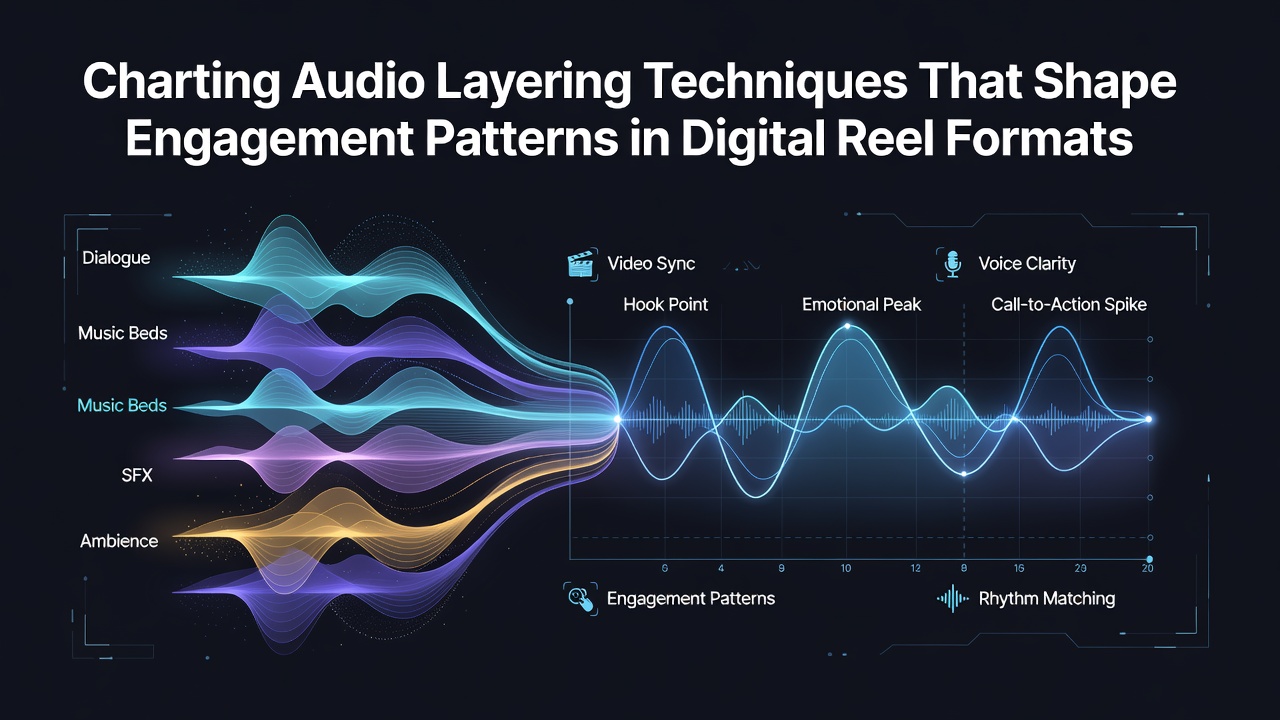
Digital reel formats rely on precise audio layering to guide user attention and sustain interaction cycles, with developers combining multiple sound tracks that activate based on reel position, win thresholds, and session duration. Research from gaming technology labs shows these layers often include base ambient loops, reactive symbol sounds, and escalating intensity cues that shift in real time as reels align or near completion. Observers note how such structures create feedback loops where players extend play sessions when audio cues build anticipation without overwhelming the visual field.
Core Components of Layered Audio Systems
Audio layering in these platforms typically begins with foundational tracks that establish rhythm and mood, then adds modular elements triggered by specific reel events such as near-misses or bonus activations. Engineers at major studios integrate dynamic mixing tools that adjust volume, panning, and frequency emphasis according to user behavior data collected across thousands of sessions. Studies conducted by the Entertainment Software Association indicate that platforms employing four or more simultaneous layers report measurable increases in average session length compared to single-track designs. What's interesting is how low-frequency pulses often sit beneath higher melodic lines, creating a subconscious pull that encourages continued spinning while visual reels handle the primary information delivery.
Additional techniques involve spatial audio placement, where sound sources move across stereo or surround fields to mirror reel movement on screen. This approach draws from established principles in interactive media, and developers have applied it to ensure audio directs focus toward central reel areas during critical spins. Data from interface testing labs reveals that spatial layering reduces instances of users looking away from the screen, maintaining visual engagement through auditory guidance alone.
Impact on Interaction Patterns and Retention Metrics
Engagement patterns shift noticeably when audio layers respond adaptively rather than following fixed sequences. For instance, progressive intensity builds during consecutive non-winning spins can heighten tension, while sudden harmonic resolutions on wins reinforce positive associations. Analysts tracking user metrics across North American and European markets have documented correlations between layered audio complexity and repeat visit rates, with platforms updating their sound engines showing retention improvements within quarterly reporting periods. And here's where it gets interesting: certain frequency ranges appear to influence perceived pace, making fast reel stops feel more satisfying when paired with crisp transient sounds layered over sustained pads.
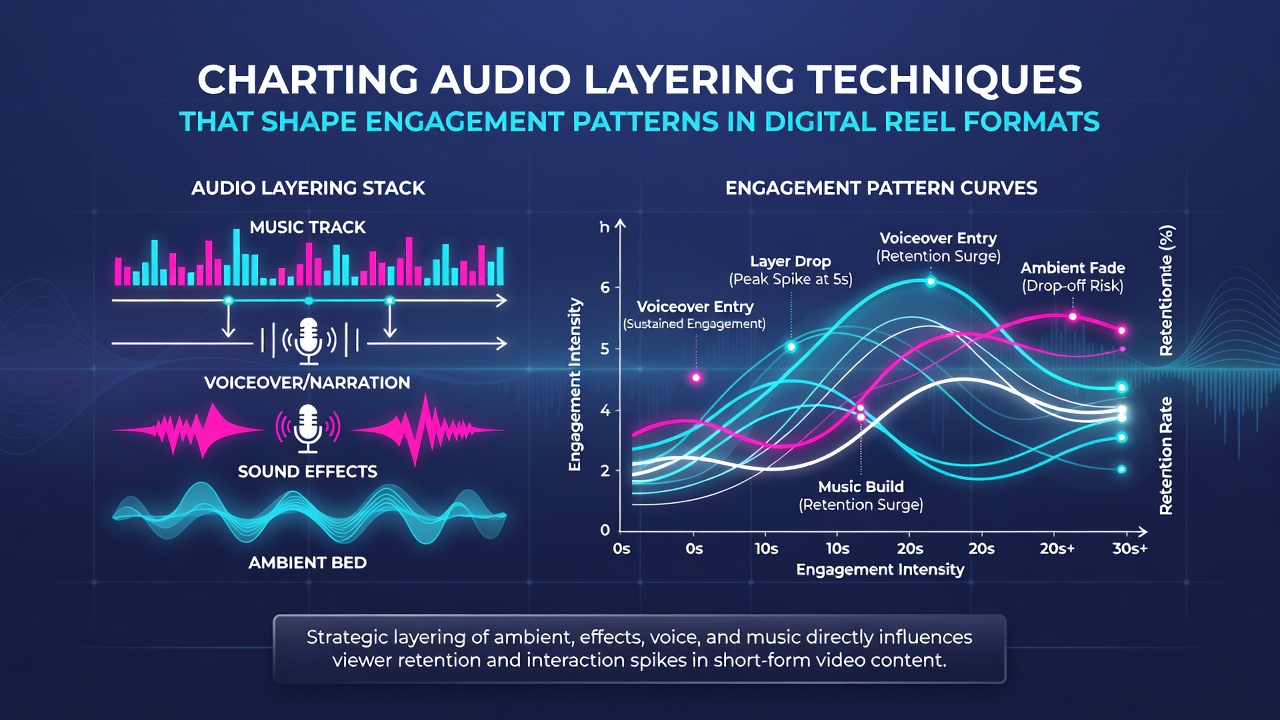
Further refinements include context-aware muting and ducking, where background layers lower automatically during voice-over announcements or prominent visual effects. This prevents auditory clutter and keeps attention on key reel outcomes. Researchers examining similar systems in simulation-based entertainment have found that well-calibrated layering supports longer focus periods, with participants in controlled tests completing more interactions before reporting fatigue. Turns out the timing of layer introductions matters as much as their content, since premature escalation can lead to quicker exits while gradual builds align better with natural decision-making rhythms observed in player logs.
Recent Developments Through Mid-2026
By July 2026, several platforms had integrated machine learning models to personalize audio layers based on individual interaction histories, adjusting layer density and timbre preferences without requiring manual configuration. Reports from the Interactive Games and Entertainment Association highlight pilot programs where adaptive audio contributed to stabilized engagement metrics even during periods of regulatory change in various jurisdictions. One developer group working with Canadian research institutions tested hybrid approaches combining procedural generation with pre-composed stems, resulting in audio that evolves across extended sessions while preserving recognizable motifs that players associate with specific reel states.
These updates also incorporate accessibility considerations, such as optional simplified layers for users sensitive to complex soundscapes. Figures from accessibility audits show increased adoption of these options, particularly among broader demographics exploring reel-based interfaces. What's significant is the move toward cross-platform consistency, ensuring layered audio behaves similarly whether accessed through desktop clients or mobile applications despite differing hardware audio capabilities.
Conclusion
Audio layering continues to serve as a foundational element in shaping how users interact with digital reel formats, with ongoing refinements driven by behavioral data and technical capabilities. Integration of adaptive systems and spatial techniques demonstrates measurable effects on session dynamics and retention across different markets. As development practices evolve through 2026 and beyond, the focus remains on balancing auditory complexity with clarity to support sustained engagement without introducing unnecessary cognitive load.