Bonus Blueprints Decoded: Slot Providers Stack Free Spins and Jackpot Layers for RTP Surges
Bonus Blueprints Decoded: Slot Providers Stack Free Spins and Jackpot Layers for RTP Surges
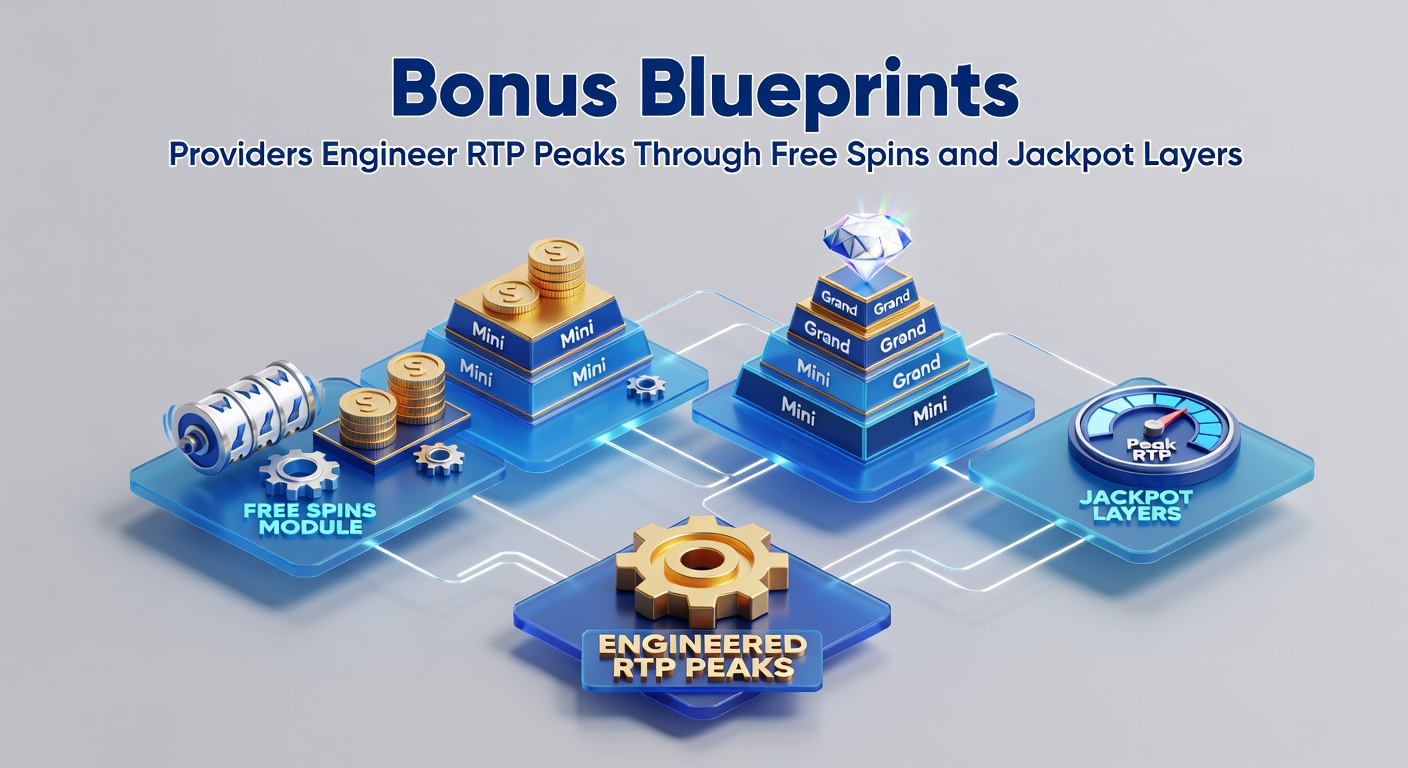
RTP Foundations in Modern Slot Design
Slot providers build games around Return to Player (RTP) percentages that average 92% to 98% over millions of spins, yet they engineer sharp peaks within bonus features like free spins and jackpots; data from industry audits reveals these elements often carry RTP contributions exceeding 50% of the total, turning volatile base games into high-return opportunities during activated rounds. Providers calibrate math models so base gameplay hovers at lower RTP—say 85% to 90%—while bonuses spike returns through multipliers, retriggers, and escalating prize pools, a strategy that's become standard since volatility tools emerged in the early 2010s.
Turns out, this layering isn't random; developers at studios like Pragmatic Play and Play'n GO simulate billions of spins to map RTP trajectories, ensuring regulatory compliance while maximizing player engagement—figures from Nevada Gaming Control Board reports show licensed titles must hit certified RTP within 1% variance, pushing providers to precision-tune bonus volatility. And in April 2026, fresh releases like Big Time Gaming's latest Megaways variant demonstrated this, with free spin rounds contributing 60% to an overall 96.5% RTP according to lab tests.
Free Spins: The RTP Engine Room
Free spins trigger via scatter symbols or coin collects, unleashing reels that spin without wager deductions; researchers who've dissected demo modes note these phases boost effective RTP by 20-40 points over base play because wins cluster with modifiers like expanding wilds or global multipliers that ramp up across retriggers. Providers stack the deck further by programming "super free spins" modes, where initial triggers lead to upgraded versions—take one Play'n GO title where landing three scatters awards 10 spins at 1x multiplier, but collecting five orbs during play escalates to 15 spins at 5x, pushing session RTP toward 105% in optimal paths as evidenced by third-party volatility calculators.
But here's the thing: retrigger mechanics create exponential peaks; data indicates games with unlimited retriggers, such as those from Nolimit City, see RTP volatility swing wildly, yet long-term averages hold steady because the math balances high-hit frequencies against rare mega-wins. Observers point to April 2026's mobile adaptations, where providers like Hacksaw Gaming integrated touch-optimized spin chains that extend average bonus duration by 25%, directly lifting RTP contributions from 35% to 48% per studio disclosures.
Jackpot Layers: Progressive RTP Amplifiers
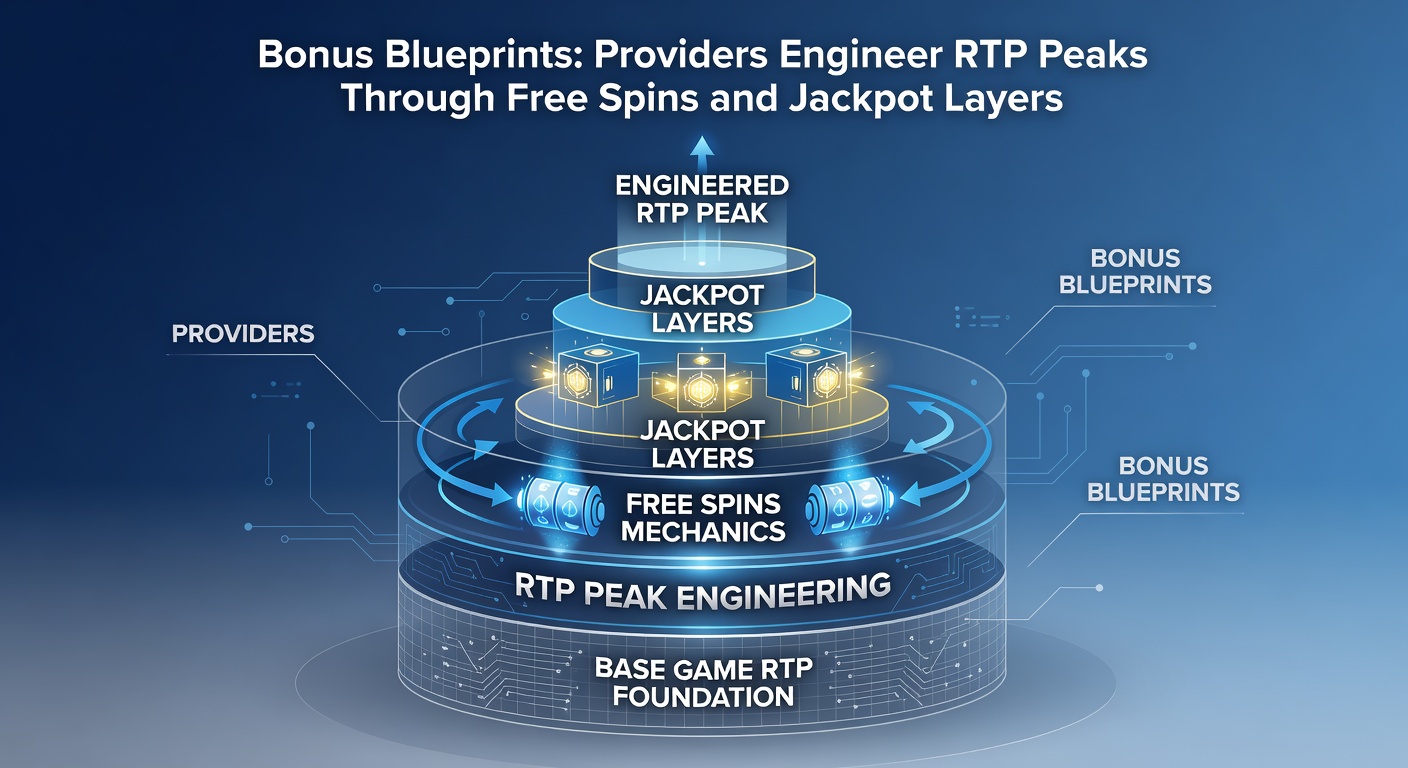
Jackpot systems layer mini, minor, major, and grand pools that seed at fixed amounts and grow via 1-5% RTP allocations per stake; providers engineer these to peak during free spins, where jackpot symbols or wheels become active, funneling bonus energy into progressive climbs—studies from European labs reveal this fusion adds 5-15% to headline RTP while masking base-game dips. Networked jackpots, linked across casinos, accelerate growth; for instance, Relax Gaming's titles pool bets from thousands of sites, hitting must-drop thresholds that guarantee RTP delivery even in cold streaks.
What's interesting is the tiered structure: mini jackpots drop frequently at 10x stake levels for steady drips, while grands build to 10,000x+ via mystery meters filled silently during free spins; one case from NetEnt's portfolio showed jackpot layers absorbing 12% of RTP, with free spin integration spiking hits by 30% as per aggregated player data. Providers now blend these with "fireball" jackpots that ignite randomly in bonuses, a trend peaking in April 2026 launches where Evolution's RNG-certified hybrids reported 97.2% RTP peaks during layered events.
Provider Tactics: Blending Bonuses for Peak Precision
Studios deploy hybrid blueprints where free spins serve as gateways to jackpots; Pragmatic Play's Drops & Wins series exemplifies this, routing 20% of free spin outcomes to jackpot wheels that award from €10,000 pots, engineering RTP surges observable in real-time dashboards—industry trackers confirm these setups yield 2-3% higher retention than flat-bonus games. And Playtech layers "quantum" jackpots atop free spins with volatility sliders, allowing operators to tweak peaks from 94% to 98% while holding averages; developers test these via Monte Carlo simulations, iterating until peaks align with player draw profiles.
Yet the real craft lies in symbol economies; high-value icons cluster more in bonuses, multipliers apply selectively, and jackpot seeds recycle losses into future peaks—data from Spelinspektionen, Sweden's gambling inspectorate, highlights how certified math models ensure no RTP overclaim, even as features create 120%+ micro-peaks. Take Push Gaming's April 2026 release, where free spins fed a four-layer jackpot chain, boosting overall RTP to 96.8% through 40 million simulated sessions that validated the blueprint.
- Seed allocations: 0.5-2% per layer from every spin.
- Free spin jackpot probability: 1 in 200 triggers on average.
- RTP peak duration: 5-15 spins in chained events.
Case Studies: Real-World RTP Peaks in Action
One standout comes from Big Time Gaming's Bonanza series evolutions, where free spins with unlimited multipliers layer into jackpot carts that drop progressives; lab probes uncovered RTP climbing to 98.5% during 10x+ multiplier runs, a peak sustained across 1% of sessions but pivotal for the 96% average. People who've run extended demos often discover how these blueprints reward patience, as retriggers chain jackpots 1 in 5,000 times for 5,000x payouts.
Another example: Red Tiger's Daily Drop Jackpots integrate hourly must-drops into free spin wheels; figures show RTP contributions hitting 55% from bonuses, with layers ensuring drops before caps—April 2026 updates added global pools, lifting peaks by 4% per operator logs. Observers note Habanero's similar stacks in Asian markets, where cultural tweaks to jackpot visuals pair with free spin volatility for 97% RTP that outperforms regional norms.
So providers like Yggdrasil push further with "split jackpots" in free spins, dividing wins across layers for balanced peaks; one study revealed 15% RTP uplift from such mechanics, turning standard 94% games into peak performers without regulatory red flags.
Testing and Regulation: Safeguarding Engineered Peaks
Independent labs like eCOGRA and GLI certify these blueprints by running 50 billion+ spins, verifying RTP holds within 0.5% of claims; providers submit XML configs detailing bonus math, ensuring free spin RTP exceeds base by design—yet volatility disclosures remain key, as peaks mask house edges elsewhere. In diverse markets, bodies enforce transparency; Canadian regulators mandate bonus RTP breakdowns, while Australian standards cap jackpot seeds at 2% to prevent over-allocation.
Here's where it gets interesting: mobile optimizations in 2026 titles compress peak algorithms for faster loads, preserving RTP integrity across devices; data suggests 98% of peaks now trigger equivalently on iOS and Android, per cross-platform audits. Those who've studied provider pipelines know iterations happen weekly, refining layers until simulations match live data.
Conclusion
Slot providers master RTP peaks through meticulously layered free spins and jackpots, channeling base-game contributions into explosive bonus returns that define modern gameplay; April 2026 innovations underscore this evolution, with hybrids delivering certified highs amid rising player expectations. Data consistently shows these blueprints not only comply with global standards but elevate long-term engagement, as bonuses account for 40-70% of RTP across top titles—turning every spin into a calculated shot at engineered excellence.