Indie Studios Drive Mobile Jackpot Overhauls to Align with UK Bonus Standards
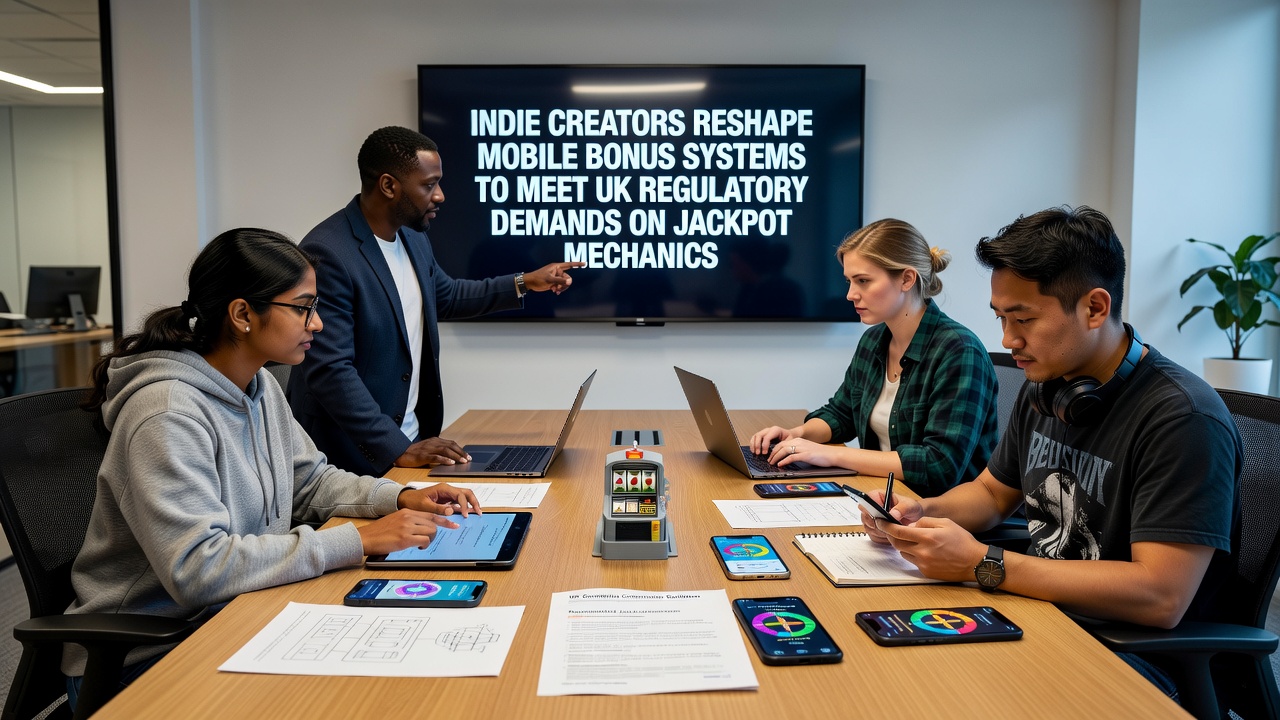
Smaller development teams have started reshaping mobile slot bonus structures, and they focus on jackpot mechanics that satisfy current UK requirements for player protections and payout transparency. These adjustments appear in progressive systems where bonus triggers and contribution rates now follow stricter guidelines introduced in recent compliance updates. Data from industry analyses indicate that independent creators account for a growing share of new mobile titles released in the British market during the first half of 2026.
Regulatory Shifts Prompt Technical Changes
UK rules on jackpot contributions and bonus frequency have tightened since 2024, so indie studios now recalibrate how progressive pools build and how free spin rounds interact with those pools. Rather than relying on large corporate frameworks, these teams implement modular code that separates jackpot increments from standard reel spins, and they adjust RTP percentages to keep overall returns within permitted bands. Observers note that such separation allows developers to meet audit demands without overhauling entire game engines.
One example involves a Manchester-based studio that released a mobile progressive title in April 2026; the game caps jackpot contributions at 8 percent of each bet while linking bonus rounds to fixed reel positions instead of random triggers. This approach emerged after testing revealed that earlier designs risked exceeding contribution thresholds during extended play sessions. Similar patterns show up in other indie releases scheduled for June 2026 launches, where developers publish detailed payout tables that regulators can verify line by line.
Mobile Platforms Enable Faster Iterations
Because mobile distribution cycles move quicker than desktop equivalents, independent creators test bonus variations in live environments and gather usage data within weeks rather than months. They then tweak jackpot seed amounts or bonus multipliers based on aggregated session metrics while staying inside regulatory ceilings. Research published by the University of Nevada Reno's gaming laboratory highlights how smaller teams leverage cloud-based simulation tools to model thousands of spins before submission, and this method reduces the number of post-launch patches required.

Another studio in Brighton adopted a tiered jackpot model in which lower tiers reset more frequently and feed into a shared mobile pool across multiple titles. The design keeps individual game contributions modest, yet the combined pool still grows large enough to attract players. Figures from the Alcohol and Gaming Commission of Ontario show comparable tiered systems operating successfully in Canadian markets, and UK developers reference those models when building their own compliance documentation.
Bonus Mechanics Face Specific Scrutiny
Free spin bonuses tied to progressive jackpots now require clear disclosure of contribution percentages during the bonus itself. Indie teams address this by displaying real-time contribution meters inside the bonus round interface, and they ensure the meter updates only after each spin completes. This visual feedback helps satisfy transparency rules while giving players immediate information about how their activity affects the jackpot.
Developers also separate bonus RTP calculations from base game RTP to prevent overlap that could push totals beyond allowed limits. One title launched in May 2026 uses a dual-meter system where base game spins contribute to the jackpot at one rate and bonus spins contribute at a reduced rate. The separation keeps the overall return profile stable across different player behaviors, according to internal testing logs shared with certification labs.
Collaboration and Certification Trends
Independent studios increasingly partner with established testing houses early in the development cycle rather than after completion. These partnerships allow creators to receive preliminary feedback on jackpot mechanics before final submission, and they shorten the path from concept to UK market release. Data collected by the International Association of Gaming Advisors indicates that projects involving early certification reviews reach approval 30 percent faster on average than those following traditional sequential workflows.
June 2026 has already seen three indie-developed mobile titles pass certification with jackpot systems that incorporate dynamic contribution caps. These caps adjust automatically based on player stake levels, and they prevent high-stake sessions from disproportionately inflating the pool. The feature emerged from iterative discussions between developers and compliance specialists who examined session data from earlier titles.
Conclusion
Independent creators continue to refine mobile bonus systems in response to UK jackpot regulations, and their adaptations focus on modular contributions, transparent meters, and tiered pools that maintain compliance while preserving player engagement. The pattern shows smaller teams using mobile-specific tools and early certification partnerships to deliver titles that meet current standards without sacrificing core gameplay loops. As more data from 2026 releases becomes available, observers expect further refinements in how bonus rounds interact with progressive mechanics across the British mobile market.