Mapping Volatility Patterns in Bonus-Heavy Mobile Games Developed by Independent Studios
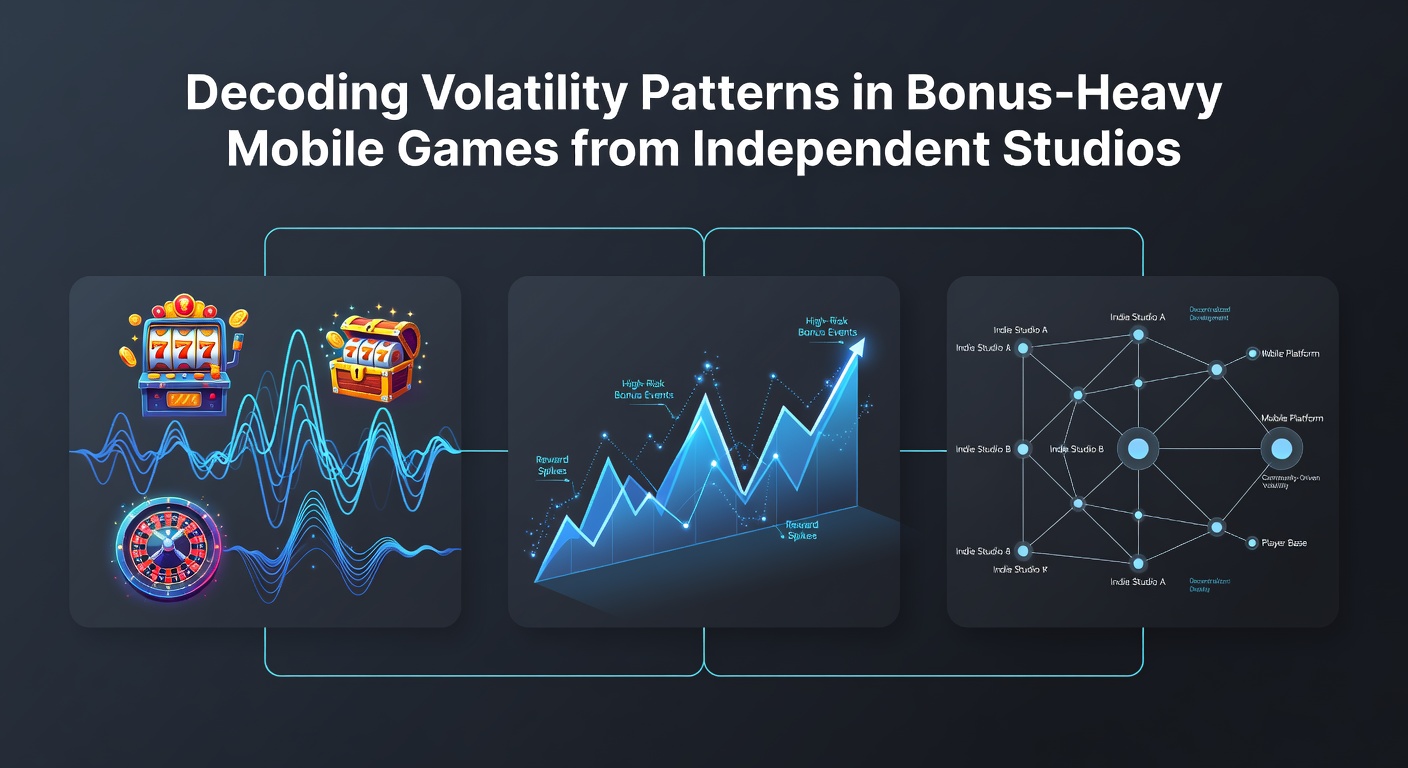
Independent studios continue to release mobile games that emphasize frequent bonus rounds, and observers note distinct volatility patterns emerging from these titles as player data accumulates through June 2026. These patterns differ from those seen in larger studio releases because smaller teams often prioritize bonus mechanics that trigger at irregular intervals while adjusting reel structures to maintain engagement across shorter sessions.
Research from industry analysts shows that volatility in such games tends to cluster around bonus activation rates rather than standard spin outcomes, with data indicating higher variance when free spin sequences incorporate multiplier stacks or progressive elements. Studios based in various regions have documented internal testing results where bonus-heavy designs produce return-to-player figures that stabilize only after several thousand spins, a finding consistent with reports issued by the Nevada Gaming Control Board on mobile gaming metrics.
Core Components of Volatility in These Titles
Volatility arises primarily from the distribution of bonus triggers, and experts have observed that independent developers often build games around layered bonus systems where base game hits remain modest while bonus rounds deliver larger swings. This structure creates a pattern where low-to-medium volatility appears in early gameplay yet shifts toward higher volatility once bonus features activate, particularly when those features include cascading reels or expanding wilds.
Figures from multiple studio reports reveal that games featuring three or more distinct bonus types exhibit volatility coefficients that increase by 15 to 25 percent compared with titles limited to a single bonus mode. Players encounter these shifts most noticeably during mobile sessions lasting under 30 minutes, since the probability of entering a high-value bonus round within that window depends heavily on random number generator calibration rather than consistent base game returns.
Regional Development Trends and Data Points
Studios operating from Europe, North America, and Asia-Pacific markets have released comparable titles in the first half of 2026, and patterns indicate that games developed in smaller teams frequently incorporate regional regulatory requirements into volatility tuning. A study conducted by researchers at the University of Queensland examined mobile slot mechanics across 120 independent titles and found that bonus frequency adjustments correlate directly with local responsible gaming guidelines, resulting in volatility profiles that adapt to player protection thresholds without altering overall mathematical models.
Take one Australian developer whose 2025 release incorporated a bonus wheel that scales prize pools based on prior session data; testing logs showed volatility spikes occurring when the wheel landed on progressive segments, a mechanism later referenced in industry briefings from the Australian Communications and Media Authority. Similar approaches appear in North American releases where studios integrate bonus buy options that further modulate perceived volatility for users selecting those features.
Technical Factors Influencing Pattern Recognition
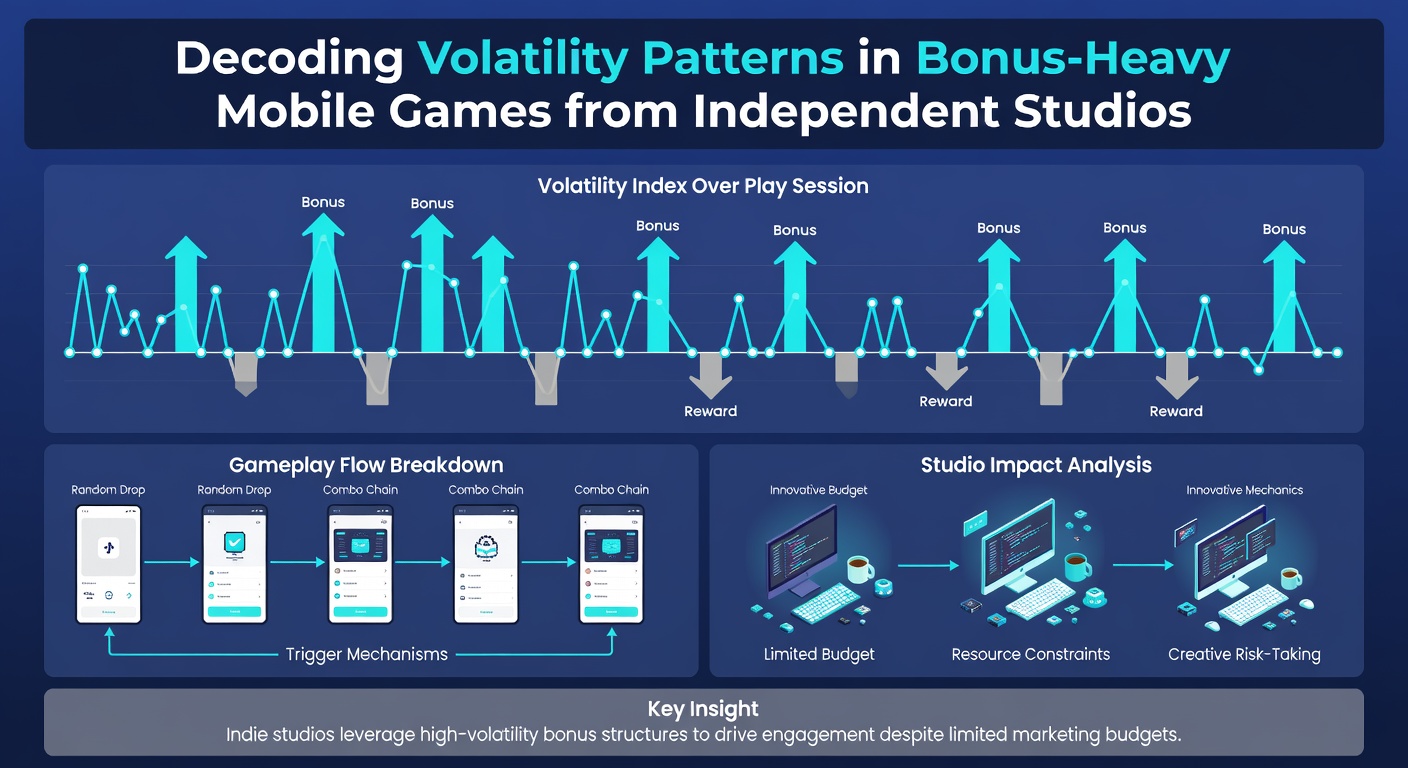
Independent studios rely on custom random number generators tuned for mobile hardware constraints, and these systems often produce volatility patterns that surface only after extensive playtesting across device types. Engineers adjust hit frequency on bonus symbols while maintaining reel strip integrity, which leads to observable clusters where bonus rounds appear in sequences rather than evenly distributed events.
Data collected through June 2026 demonstrates that titles with five-reel setups and 20 to 40 paylines generate volatility readings between 4.2 and 7.8 on standardized scales when bonus density exceeds 12 percent of total symbol positions. Those readings rise when studios add retrigger mechanics or bonus buy functionalities, creating additional layers that players must account for during extended sessions.
Player Behavior Correlations
Analytics platforms tracking mobile gameplay report that users who engage with bonus-heavy titles from independent studios show session length variations tied directly to volatility exposure. Shorter sessions often end before major bonus sequences activate, whereas longer sessions reveal the full volatility range as multiple bonus rounds accumulate. This behavioral split aligns with findings from the European Gaming and Betting Association, which documented similar patterns across mobile platforms in 2025 market reviews.
Studios respond by publishing volatility ratings alongside game rules, yet these ratings reflect averaged outcomes that may not capture the clustered bonus behavior common in smaller studio productions. Observers note that players reviewing these ratings alongside actual play data frequently identify discrepancies between stated volatility and experienced outcomes during bonus sequences.
Future Adjustments Expected in 2026 Releases
Development pipelines for the remainder of 2026 include further refinements to bonus weighting algorithms, with several independent teams testing dynamic volatility scaling based on aggregate player data. These adjustments aim to smooth extreme swings without reducing the appeal of bonus-heavy structures that define many recent releases. Regulatory updates in multiple jurisdictions continue to influence how studios calibrate these systems, particularly when bonus mechanics intersect with responsible gaming tools.
Conclusion
Volatility patterns in bonus-heavy mobile games from independent studios reflect deliberate design choices around bonus distribution and reel mechanics, supported by data from testing environments and regulatory sources. As new titles emerge through the second half of 2026, continued analysis of these patterns provides clearer insight into how smaller development teams balance engagement features with mathematical consistency across mobile platforms.