Mobile Progressive Jackpots Evolve with Cutting-Edge Technologies
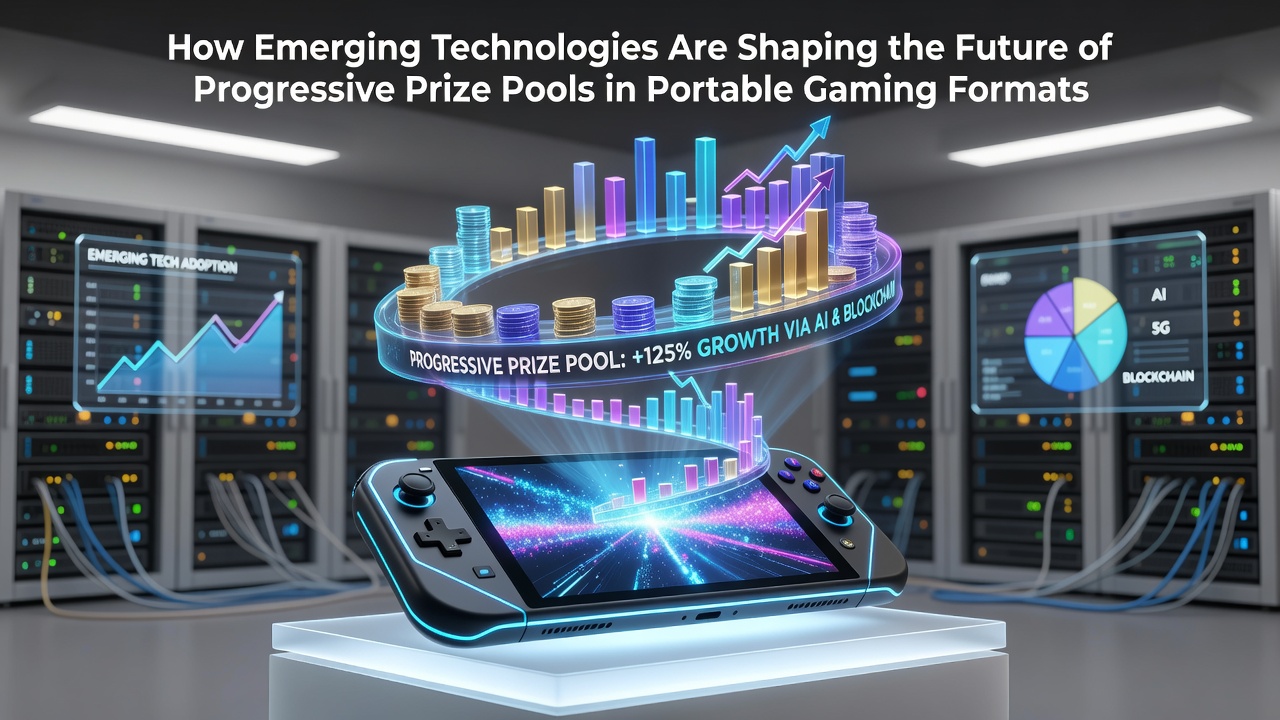
Portable gaming formats continue to integrate emerging technologies that alter how progressive prize pools operate and expand across devices, with developers leveraging tools such as blockchain ledgers, artificial intelligence algorithms, and advanced network infrastructures to manage contributions and distributions in real time. These systems allow prize pools to grow through seamless cross-platform participation while maintaining verifiable transaction records that reduce disputes over allocations.
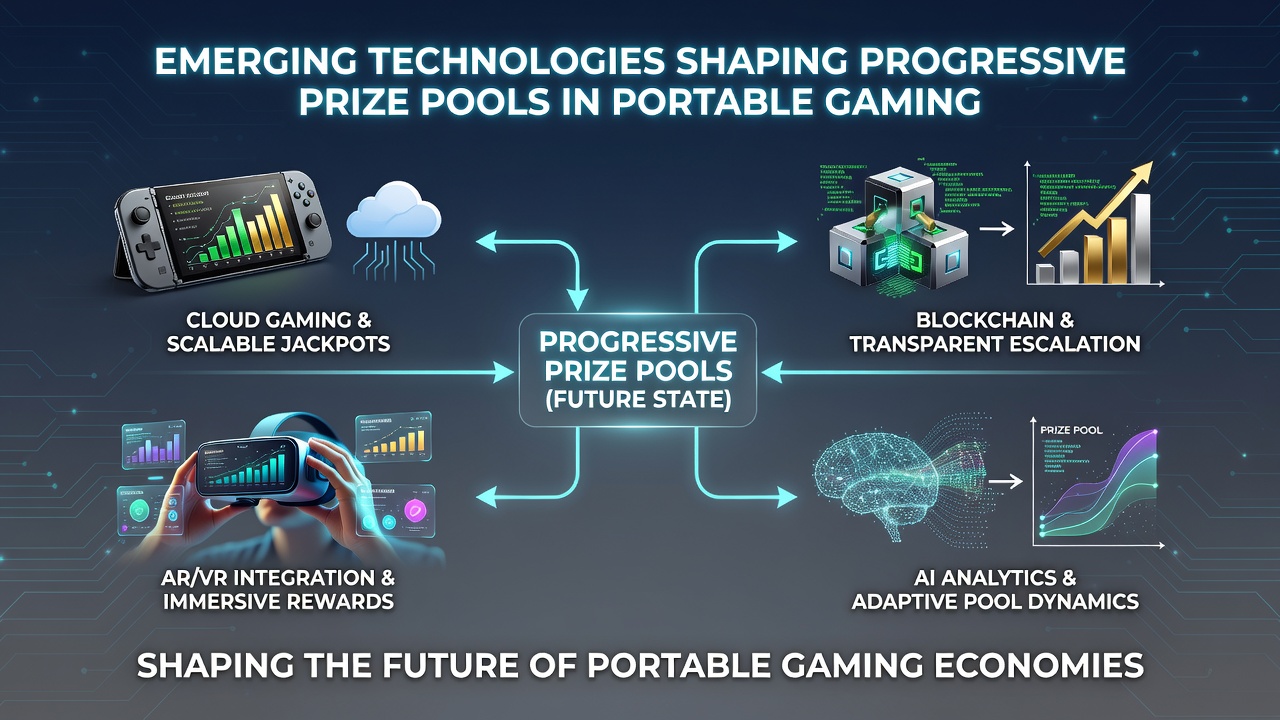
Blockchain technology has entered portable gaming environments by providing immutable ledgers that track every contribution to progressive pools from mobile users, and this approach gained traction in various jurisdictions where regulators require transparent audit trails for jackpot mechanics. Data from industry reports indicates that platforms using distributed ledger systems processed higher volumes of micro-transactions without traditional intermediaries, which in turn accelerated pool growth rates during peak play periods in mid-2026.
Artificial Intelligence in Pool Management and Player Segmentation
Artificial intelligence models analyze player behavior patterns across portable devices to adjust contribution rates dynamically, which means operators can segment users based on engagement metrics and direct portions of wagers into specific prize tiers. Researchers at institutions like the University of Las Vegas have examined these algorithms in controlled studies and found that AI-driven segmentation increased pool participation by matching game difficulty levels with user retention data, all while complying with regional gaming statutes.
Machine learning systems also predict jackpot trigger probabilities by processing historical spin data from millions of mobile sessions, and this capability lets providers fine-tune payout structures before pools reach critical thresholds. In July 2026 several development teams rolled out updated AI modules that incorporated real-time device telemetry to refine these predictions further, resulting in more stable pool trajectories even during high-volume mobile traffic spikes.
Network Advancements Enabling Seamless Cross-Device Pools
Fifth-generation wireless networks and edge computing frameworks support uninterrupted connectivity for progressive jackpot participation on handheld devices, allowing players to move between sessions without losing accumulated contributions. These infrastructures handle the low-latency requirements of live pool updates, where every wager instantly reflects in shared prize displays across global user bases.
Cloud-based gaming services complement these networks by offloading complex jackpot calculations to remote servers, which reduces the processing burden on individual mobile hardware and permits larger, more frequent pool mergers between different game titles. Industry analyses from the American Gaming Association show that such integrations expanded the average size of mobile progressive pools by facilitating simultaneous contributions from diverse geographic regions without latency-related dropouts.
Security Enhancements and Regulatory Compliance Tools
Biometric authentication combined with encrypted token systems strengthens security around progressive prize distributions in portable formats, where device theft or unauthorized access could otherwise compromise pool integrity. These measures align with standards set by bodies such as the Australian Communications and Media Authority, which emphasize verifiable identity checks before major jackpot claims proceed.
Smart contracts deployed on permissioned blockchains automate compliance reporting by generating immutable logs of pool contributions and payouts, and this automation reduces manual oversight costs for operators managing multiple mobile titles. Observers note that such contracts also enable conditional releases of funds based on predefined regulatory triggers, streamlining audits in jurisdictions that updated their portable gaming frameworks around 2025 and 2026.
Future Trajectories for Portable Progressive Systems
Augmented reality interfaces are beginning to overlay progressive jackpot information directly onto mobile gameplay visuals, giving users immediate visibility into pool growth without interrupting core mechanics. Early implementations tested in 2026 demonstrated that these overlays increased user interaction times with jackpot features while preserving the underlying contribution algorithms.
Quantum-resistant encryption protocols are under evaluation for safeguarding the largest progressive pools against future computational threats, since current mobile ecosystems already handle prize values that exceed traditional slot machine limits. Reports from research consortia indicate pilot programs will expand these protocols across additional portable platforms by late 2026, ensuring long-term resilience for pooled prize structures.
Conclusion
Emerging technologies continue to reshape progressive prize pools within portable gaming by enhancing transparency, connectivity, and adaptive management capabilities, and ongoing developments point toward even tighter integration of these tools in subsequent platform iterations. The combination of distributed ledgers, intelligent analytics, and robust networking creates environments where pools can scale efficiently while meeting evolving compliance demands across multiple regions.